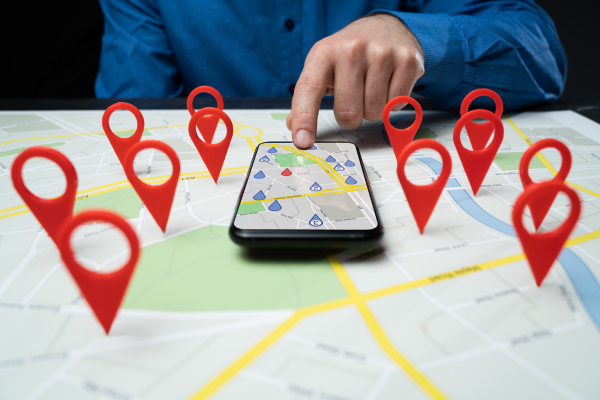



In the digital age, the majority of consumers use search engines and online directories to find information about local businesses. Whether someone is looking for a coffee shop, a plumber, or a dentist, they turn to online listings to get up-to-date contact details, hours of operation, directions, and reviews. This widespread online behavior makes local listings an essential element of any business’s digital presence.
 What Are Local Listings?
Local listings are online references to your business that appear in search engines, digital directories, maps, apps, and other platforms. A typical local listing includes basic business information such as:
- Business name
- Address
- Phone number
- Website URL
- Hours of operation
- Photos
- Business category
These listings appear in places like Google Search and Maps, Apple Maps, Bing Places, Yelp, Facebook, and niche directories specific to an industry or region.
In essence, local listings are the digital version of the old printed Yellow Pages — but instead of being static and physical, they live online and are continuously updated by platforms, users, and business owners.
Why Local Listings Matter
They Improve Online Visibility
When someone searches for a business or a service near them, search engines often show a “local pack” or directory results at the top of the search page. This pack typically includes a map and several listings with key business details. If your business appears here with accurate information, it increases the chance that searchers will notice and contact you.
In addition to general search results, many consumers use dedicated map apps or business directories to find local services. Without accurate local listings, a business is less likely to show up in those searches.
They Influence Customer Decisions
When potential customers are looking for a local service or product, they often evaluate multiple listings before choosing one. Listings typically include:
- Contact information
- Reviews and ratings
- Photos
- Business descriptions
These elements help people decide which business aligns with their needs. Even without stepping inside a store or calling, customers form impressions based on what they see online.
While no single listing element alone determines a customer’s choice, the overall presence a business has — and the accuracy of its information — can influence decisions.
They Help Ensure Accuracy Across Platforms
It’s common for a business’s contact details or hours to change over time. If those updates are not reflected across all listings, potential customers might see outdated information.
- A business might have closed an old location but not updated it online.
- Operating hours might change seasonally or permanently.
- Phone numbers or websites may be updated.
Maintaining accurate local listings helps reduce confusion and prevents customers from encountering outdated details that could lead to missed opportunities.
They Support Consistency Across the Web
Search engines use signals from multiple sites to understand and rank business information. When a business has consistent information across numerous listings, it sends a stronger signal that the details are reliable and trustworthy.
If different platforms show different phone numbers, addresses, or business names, search engines may become less confident about which information is correct. While this doesn’t guarantee any specific ranking outcome, consistency is generally considered a best practice for reliable digital presence.
Where Local Listings Appear
- Search Engines: Google, Bing, and other search engines show local listings in search results and map packs.
- Map Apps: Google Maps, Apple Maps, and other navigation tools show listings with directions and contact information.
- Business Directories: Sites like Yelp, Foursquare, YellowPages, and industry-specific directories list businesses with relevant details.
- Social Platforms: Facebook Business Profiles and similar pages include local information and sometimes reviews.
- Voice Assistants: Digital assistants pull from listings when answering location-based queries.
What Information Should You Include in Your Local Listings?
- Business Name
- Physical Address
- Phone Number
- Website URL
- Hours of Operation
- Business Category
- Photos
Some platforms may offer additional fields like service descriptions, payment methods, attributes, and menus or product listings.
Best Practices for Managing Local Listings
- Claim your listings to control accuracy.
- Use consistent information across platforms.
- Keep information up to date.
- Add high-quality photos.
- Monitor and manage reviews.
- Use tools when needed to manage multiple listings.
 Common Challenges with Local Listings
- Duplicate listings
- Outdated details
- Platform differences
- User-generated edits
Local Listings and Search Visibility
Local listings contribute to how search engines interpret the presence and relevance of a business. While they are only one component of overall online visibility, current and consistent listings help ensure that search engines have accurate signals about where your business is located and what it offers.
The Information You Need: Local Listing
If you’re in need of information on how to boost productivity, generate leads, remote work tips, and more, visit our website.
Common FAQs About Local Listings
- What are local listings?
Local listings are online business profiles that display essential information such as a business name, address, phone number, website, and hours across search engines, maps, and directories. - Where do local listings appear online?
They appear on search engines, map applications, business directories, social platforms, and services used by voice assistants. - Why are local listings important for businesses?
They help people find accurate business information, support online visibility, and make it easier for customers to contact or visit a business. - What information should be included in a local listing?
Business name, address, phone number, website URL, hours of operation, categories, and photos. - How do local listings affect customer decisions?
They provide details, reviews, and visuals that help people compare options and choose a business. - What happens if local listing information is inconsistent?
It can confuse customers and reduce confidence in the accuracy of business information. - Do businesses need to be listed on every directory?
No. Businesses benefit most from platforms their audience actually uses. - Can local listings change over time?
Yes. Details like hours, locations, and contact information should be updated when they change. - Are customer reviews part of local listings?
Many platforms include reviews as part of local listings. - How are local listings managed?
They can be managed by claiming listings directly or using tools that centralize updates.