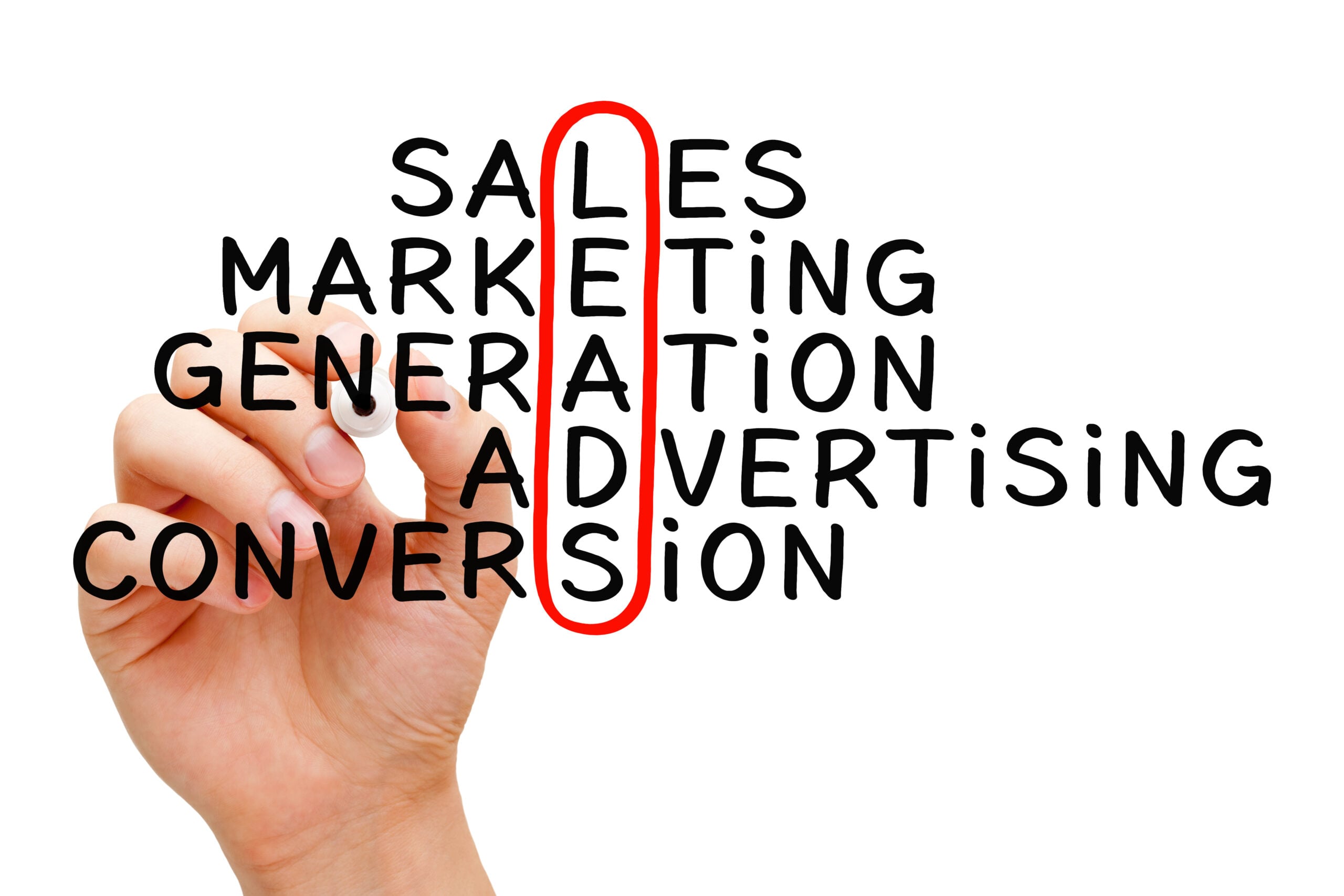



In today’s competitive market, capturing a lead is just the beginning. Turning that lead into a loyal client requires consistent and effective follow-up. Studies show that nearly 80% of sales require at least five follow-up touches after the initial contact, yet many businesses struggle to maintain this frequency. A well-structured follow-up strategy not only keeps your brand top-of-mind but also builds trust, addresses any lingering concerns, and nurtures the lead throughout their journey to becoming a client. Here’s why consistent follow-up is crucial for converting leads and how to create a strategy that works.
The Importance of Timely and Regular Follow-ups
 Follow-up timing plays a significant role in lead conversion. The first follow-up should ideally happen within 24 hours of the initial contact to capture interest when it’s at its peak. A quick response not only shows professionalism but also reassures the lead that their inquiry is important. However, follow-up needs to be more than just prompt—it must also be consistent. Following up regularly demonstrates commitment and helps build a relationship with the lead, gradually moving them from interest to decision.
When follow-ups are too infrequent, leads can lose interest, forget your offer, or even choose a competitor who maintains engagement. On the other hand, an overly aggressive approach can be counterproductive, making it crucial to find a balance that keeps your brand in the picture without overwhelming the lead.
Building Trust Through Consistent Engagement
Regular follow-ups allow businesses to stay connected with potential clients and build trust over time. By keeping in touch, you demonstrate reliability, showing that you’re invested in meeting their needs and resolving any issues. When a lead feels that your brand values their business, they’re more likely to convert into loyal clients.
Trust-building follow-ups often go beyond a simple sales pitch. Providing value, such as informative resources, industry insights, or product updates tailored to the lead’s interests, shows that you’re interested in a transaction and helping them make an informed decision. This approach sets you apart from competitors who may only be focused on closing the deal.
Addressing Questions
Leads often have questions or concerns that could prevent them from moving forward. Consistent follow-up creates multiple opportunities to address these concerns and provide the clarity they need. Every interaction is a chance to listen, understand their hesitations, and offer reassurance.
For instance, a potential client may have questions about pricing, service features, or benefits, and without regular follow-ups, they may not take the initiative to reach out. An effective follow-up sequence anticipates these common questions and proactively offers solutions, making it easier for the lead to say yes. Answering questions promptly and transparently not only helps reduce uncertainty but also demonstrates your commitment to excellent customer service.
The Power of Personalization in Follow-ups
With tools like CRM software, businesses can personalize each follow-up to align with the lead’s interests, previous interactions, and specific needs. Personalized follow-ups make the lead feel valued and understood, which increases the likelihood of conversion. Instead of generic messages, a personalized follow-up could reference a past conversation, highlight features relevant to their needs, or offer resources based on their specific challenges.
For example, if a lead expressed interest in a particular service feature during your first conversation, referencing this detail in your follow-up message reinforces that you’ve listened to and understood their needs. Personalization goes a long way in creating a connection with the lead, making them more inclined to choose your services over those of a competitor.
Automating Follow-ups for Consistency
While consistency is key, managing follow-ups manually can be challenging, especially as the number of leads grows. Automation tools like email marketing platforms and CRM systems make it easier to maintain a regular follow-up schedule without overwhelming your team. Automated follow-ups allow you to send timely messages and reminders to leads based on their actions, such as downloading a resource, clicking a link, or completing a form.
Automated workflows can also be tailored to send different types of content depending on the lead’s position in the sales funnel. For instance, an introductory email could be sent immediately, followed by product information and then testimonials or case studies, creating a structured journey that gradually builds interest and confidence in your brand. Automation helps ensure that no lead slips through the cracks while allowing your team to focus on personalized engagement for high-value prospects.
Multiple Channels for Effective Follow-up
Not all leads prefer to be contacted through the same channel. Some might respond better to email, while others might be more receptive to phone calls or even text messages. A multi-channel approach broadens your reach, ensuring that your follow-up efforts are seen and appreciated. It also allows you to test and understand which channels work best for different segments of your audience.
For instance, an email could be followed up by a phone call, or a social media message could be reinforced with a helpful text. This approach ensures your message reaches leads in a way that suits their preferences, increasing the chances of engagement. However, it’s essential to keep messaging cohesive across all channels to create a consistent experience for the lead.
Measuring and Adjusting Your Follow-up Strategy
 A successful follow-up strategy isn’t static; it requires ongoing measurement and adjustments. Using data from your CRM or analytics platform, review the effectiveness of each follow-up touchpoint and channel. Track key metrics, such as open rates, click-through rates, and response times, to understand what resonates with your leads and what could be improved. If you notice a drop in engagement after a particular touchpoint, it may be time to adjust the message, timing, or content. Regularly reviewing and refining your approach based on data ensures that your follow-up strategy remains effective and responsive to the needs of your target audience. Remember that lead preferences can change over time, so staying flexible and adaptive is crucial for long-term success.
Apply a Consistent Follow-up Strategy
For additional support or to learn more about optimizing lead generation, visit SnapSales or contact us for expert guidance on driving local business growth.