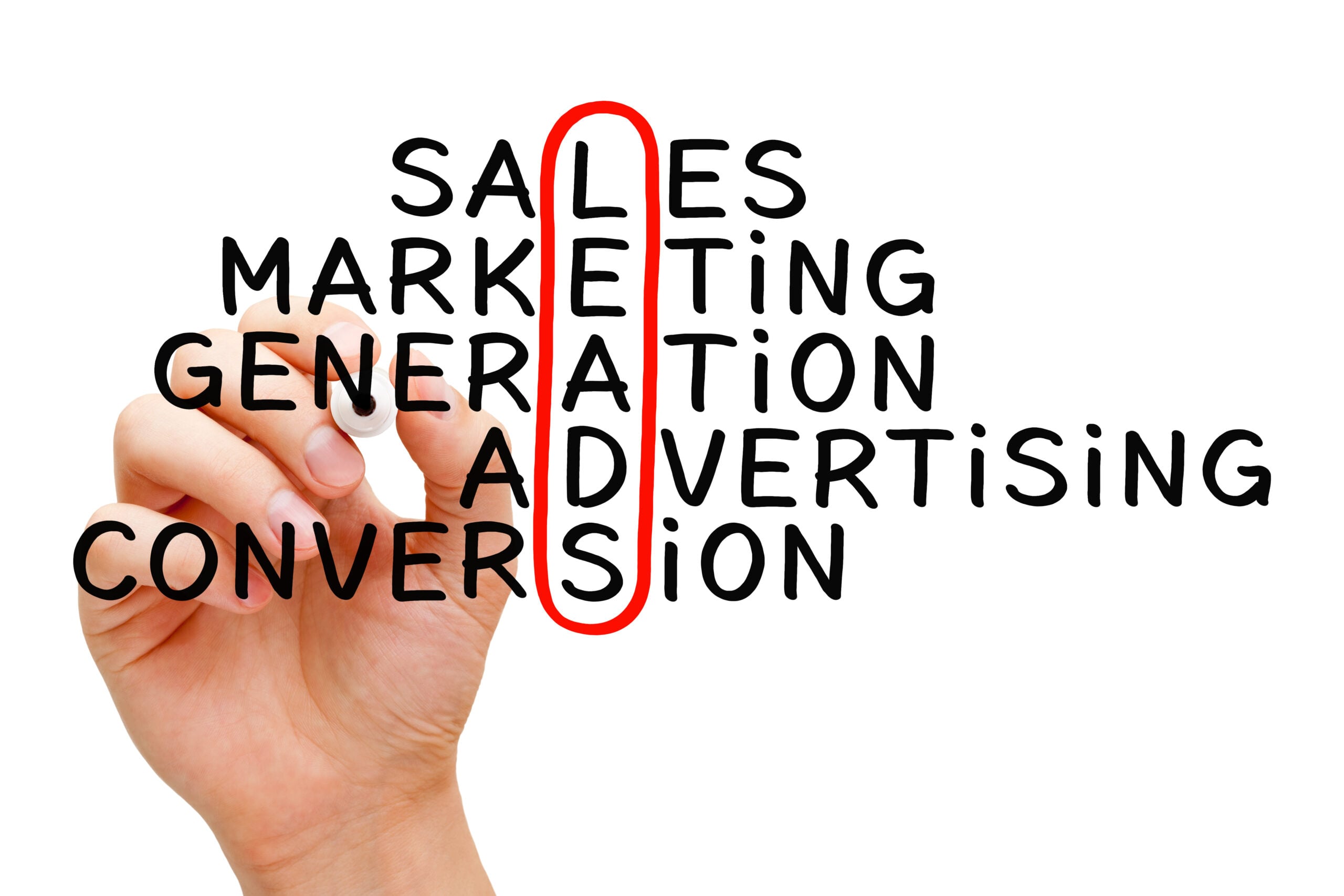



High-value leads are the bedrock of a thriving business. They’re the customers most likely to make a purchase and remain loyal, generating long-term revenue and a strong return on investment. Yet, many businesses find themselves sifting through countless prospects, struggling to identify the ones that truly matter. By focusing on these key leads, businesses can maximize their resources, boost conversion rates, and create sustainable growth. Recognizing the importance of high-value leads is just the beginning. Understanding how to identify, target, and engage them effectively can set a business apart from the competition.
What Are High-Value Leads?
 High-value leads represent the cream of the crop when it comes to potential customers. They exhibit characteristics that make them stand out in a sea of prospects. These are the people or organizations that align closely with a company’s ideal customer profile. They may share common demographics, face specific challenges, or need solutions your business uniquely provides. Often, they show clear signs of intent, like frequent website visits, engaging with marketing materials, or reaching out for inquiries.
The importance of knowing what this is goes beyond just quick wins. They optimize workflows by directing resources to where they matter most, boosting overall efficiency. With increased conversion rates and higher average deal sizes, focusing on these leads can transform a company’s revenue and growth trajectory. Businesses that master the art of recognizing and nurturing these leads are better positioned for long-term success.
How to Identify Them
To identify high-value leads, businesses first need to define their ideal customer profile (ICP). This involves creating a detailed model of their best customers based on specific traits such as industry, pain points, buying habits, and goals. By having a clear picture of the type of customer they want to attract, businesses can easily recognize when a prospect fits the mold.
Behaviors are another key indicator of these leads. Those who demonstrate a marked interest, such as downloading resources, attending a webinar, or consistently opening emails, are likely to be more engaged. Tools like marketing automation software, website analytics, and CRM systems can help track these behaviors and identify patterns.
Segmenting leads into categories based on engagement or readiness to purchase is a smart way to manage prospects. By implementing lead scoring methods, businesses can rank leads according to their value and likelihood to convert. Reviewing customer data also provides insights into what successful leads from the past have in common, further refining the ability to spot high-value opportunities.
Tools and Technology to Identify Quality Leads
Technology is an invaluable ally when it comes to tracking and identifying the most promising prospects. Customer Relationship Management (CRM) systems like HubSpot or Salesforce enable businesses to organize lead information, monitor interactions, and analyze prospects’ readiness to buy. These tools simplify the process of staying on top of leads and nurturing relationships over time.
Automated lead scoring systems take the guesswork out of prioritizing prospects. By analyzing behaviors and engagement metrics, businesses can focus on leads that show the greatest potential to convert. Data analytics platforms like Google Analytics and SEMrush further aid in spotting actionable trends, while social listening tools such as Hootsuite provide insights into what potential leads are saying on platforms like Twitter or Facebook.
Combining these tools creates a cohesive strategy, allowing businesses to efficiently identify and focus on high-value leads without getting bogged down by irrelevant data. With the right technology in place, businesses can confidently pursue prospects with the highest potential.
Strategies
Attracting and engaging high-value leads requires personalized and intentional efforts. A great starting point is fully customized marketing campaigns tailored to address the specific needs, pain points, and preferences of high-value prospects. Businesses that personalize email sequences, landing pages, and offers see much better engagement from their audience.
Another effective approach is Account-Based Marketing, which emphasizes creating campaigns for targeted accounts with high revenue potential. Instead of a one-size-fits-all strategy, businesses can craft unique messaging for these accounts, showing an in-depth understanding of their needs.
Content marketing also plays a central role in reaching these leads. Case studies, whitepapers, and blog posts that resonate with the problems these prospects are trying to solve act as magnets, drawing them closer to your business. Engaging social media ads on platforms like LinkedIn or Instagram offers another channel for specifically targeting industries, roles, and demographics that align with your ICP. Retargeting campaigns further allow businesses to re-engage leads who have previously interacted with their website or ads, keeping them in the funnel.
Nurturing Leads to Conversion
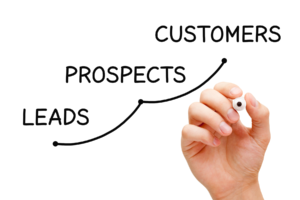
Converting high-value leads is all about building trust and maintaining meaningful engagement over time. Consistent and helpful communication, delivered through email drip campaigns or tailored consultations, reassures potential customers of your business’s commitment to their success. Sharing resources like case studies or testimonials further cements credibility and alleviates doubts.
Timing and relevance play a pivotal role in keeping these leads engaged. Following up with clear, personalized messaging at just the right moment ensures that prospects don’t lose interest. Offering one-on-one demos or consultations tailored to their specific business challenges showcases exactly how your solution meets their needs. By focusing on adding value and addressing concerns, businesses can effectively nurture leads toward a confident decision to choose their products or services.
 Measuring Success and Optimizing Your Strategy
To ensure ongoing success, it’s critical to measure the impact of efforts aimed at attracting and converting high-value leads. Businesses should track performance metrics like conversion rates, customer lifetime value, and the size of closed deals. Insights gained from these metrics provide vital data for refining and improving strategies.
Feedback and consistent analysis are essential for identifying what works and what doesn’t. Businesses can experiment with A/B testing to assess the effectiveness of messaging, calls to action, or campaign approaches. By continuously iterating on their strategies, companies can remain adaptable and more effectively reach their intended audience.
Maximizing results from these leads requires not just action but also reflection. By staying committed to optimization, businesses can ensure long-term sustainability and growth.
Level Up Your Lead Generation Today!
Why wait to see the results you deserve? With SnapSales, you can refine your lead generation and focus on the customers who truly matter. Incorporating advanced lead identification tools and proven engagement strategies, SnapSales makes it simple to attract and convert high-value leads into loyal, revenue-driving customers. Visit SnapSales.io today to prioritize what counts and elevate your business growth to the next level!