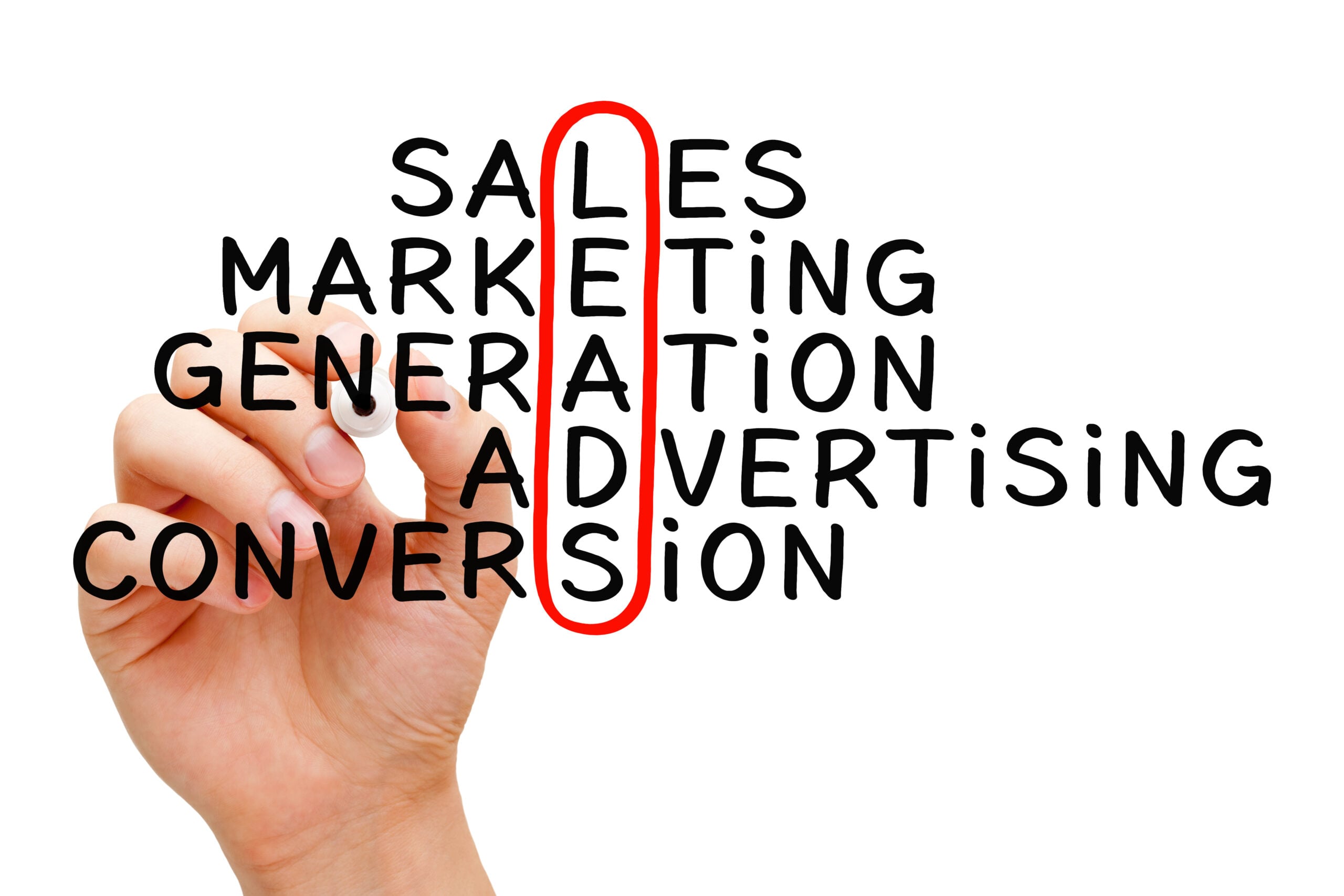



In today’s competitive sales landscape—especially for captive agents in insurance and real estate—chasing every possible lead can drain your time, budget, and energy without producing consistent results. The smarter path is prioritizing quality leads that convert: high-intent prospects who are actively shopping, ready to take action, and more likely to become long-term clients.
Focusing on quality over quantity helps you:
- Reduce time wasted on unqualified prospects
- Increase close rates and shorten sales cycles
- Lower cost per acquisition and improve ROI
- Build a pipeline that’s more predictable and scalable
So how do you identify, attract, and nurture these “ready buyers” consistently? Here are eight proven strategies.
 1. Use Intent-Based Targeting to Find High-Quality Leads
Casting a wide net brings in a lot of people who are curious—but not committed. Intent-based targeting flips the script by focusing on prospects showing bottom-of-funnel behavior.
Strategy
- Insurance: Target searches like “get auto insurance quote now” instead of “what is auto insurance.”
- Real estate: Target “homes for sale in [city] under $500k” instead of “real estate tips.”
- Use behavioral signals like repeat visits, quote page views, and time spent on pricing pages.
Tools like SnapSales can score intent using search queries, on-site activity, and engagement patterns—helping you prioritize leads who are already problem-aware and solution-seeking.
Quick win: Retarget visitors who started (but abandoned) a quote form using Google and Facebook ads to pull them back when they’re still motivated.
2. Qualify Leads with Data—Not Gut Feelings
Even “good” leads can stall if they’re not the right fit. Data-driven qualification ensures only quality leads that convert enter your sales pipeline.
Strategy
Create a lead scoring system that weights both behavior and readiness. For example:
- +20 points: Visited pricing page
- +30 points: Downloaded a guide
- +50 points: Started or partially completed a form
- +60 points: Requested a quote or tour
Leads that cross a threshold (example: 70+) should get immediate outreach. Lower scorers should be placed into nurture sequences—not call lists.
Outcome: Less time spent chasing low-fit prospects, more time closing the ones already leaning “yes.”
3. Nurture with Personalization to Build Trust and Readiness
Quality leads convert faster when they feel understood. Personalization turns your follow-up into a guided buying experience, not a generic sales pitch.
Strategy
- Awareness: Educational emails (tips, FAQs, basics)
- Consideration: Comparisons, checklists, calculators
- Decision: Customized quote, next-step scheduling, urgency
Insurance: Send “Your custom coverage options” based on the pages they viewed.
Real estate: Send “Neighborhood reports” based on specific homes or areas they browsed.
Multi-channel follow-up (email + SMS + retargeting + voicemail drops) keeps you present without becoming pushy.
4. Optimize Content to Attract Ready Buyers (Not Tire-Kickers)
Generic content brings traffic. Conversion-focused content brings buyers.
Strategy
- Create bottom-funnel content like:
- “Compare auto insurance quotes in [City]”
- “Best home insurance for new homeowners in 2026”
- “First-time homebuyer checklist + financing options”
- Embed CTAs inside the content (not just at the bottom)
- Use strong offer hooks: “Get a quote,” “See available homes,” “Request pricing”
Pro tip: Add intent-focused lead magnets (rate guides, neighborhood sheets, savings calculators) to capture serious prospects without requiring a full form upfront.
5. Protect Your Pipeline with Compliance
For captive agents especially, non-compliant leads aren’t just risky—they can destroy your ROI with fines, invalid leads, and damaged trust.
Strategy
- Use clear opt-in language and consent checkboxes
- Scrub leads against DNC lists
- Include unsubscribe links and proper disclosures (CAN-SPAM/TCPA)
- Ensure fair housing compliance in real estate messaging and ads
Platforms like SnapSales can automate compliance safeguards and logging—reducing risk while keeping your lead process fast.
6. Track the Metrics That Reveal True Lead Quality
If you only track volume, you’ll optimize for the wrong thing. To increase conversions, measure what actually signals buyer readiness.
KPIs to monitor
- Cost per qualified lead (not just CPL)
- Lead-to-appointment rate
- Appointment-to-close rate
- Time-to-close (speed matters)
- Lifetime value (LTV) by source
Quick win: If you see high form abandonment, shorten forms and add “save and finish later” options—especially on mobile.
7. Use Lead Scoring to Prioritize Closers Automatically
Manual sorting wastes time and adds delay—two things that kill conversion rates. Lead scoring ensures your hottest prospects get attention first.
Strategy
- Score demographics + behavior + engagement
- Route hot leads instantly to an agent
- Put warm leads into nurture sequences
- Recycle cold leads into long-term education flows
When your follow-up becomes instant and relevant, your close rates rise—and your workload becomes more manageable.
 8. Integrate Everything for a Seamless “Click-to-Close” System
High-quality lead generation fails when systems don’t talk to each other. Integration turns marketing activity into a predictable pipeline.
Strategy
- Connect your website, paid ads, CRM, and email automation
- Track attribution from first click → booked appointment → closed sale
- Automate follow-up so no hot lead sits untouched for hours
SnapSales supports automation across targeting, scoring, and nurturing—helping captive agents move leads through the pipeline faster without sacrificing compliance or personalization.
The Bottom Line
If you want more conversions, stop optimizing for “more leads” and start optimizing for better leads. High-quality leads come from intent-based targeting, strong qualification, personalized nurturing, compliance-first processes, and constant performance refinement.
Want to shift from volume to quality quickly? Start by auditing your lead sources, implementing lead scoring, and tightening your content and follow-up around buyer intent.
The Information You Need: Quality Leads
If you’re in need of information on how to boost productivity, generate leads, remote work tips, and more, visit our website. Snapsales is here to help you grow your business!
Common FAQs About Quality Leads
1. What are quality leads that convert?
They’re high-intent prospects who are actively searching for solutions, taking meaningful actions (like quote requests or tour scheduling), and showing readiness to purchase.
2. How does intent-based targeting improve lead quality?
It focuses on bottom-funnel behaviors and searches, reducing wasted spend and increasing conversions because you’re reaching prospects who are already shopping.
3. What is lead scoring and why does it matter?
Lead scoring assigns points to actions and traits that indicate readiness. It helps you prioritize hot leads and nurture cold leads automatically.
4. Why does personalization increase conversions?
It makes follow-up relevant to the prospect’s goals, reducing friction and building trust—both of which accelerate buying decisions.
5. What content attracts ready buyers?
Bottom-funnel content: comparisons, pricing pages, “best of” guides, local search pages, calculators, and step-by-step buyer checklists.
6. How do I measure lead quality?
Track lead-to-appointment rate, appointment-to-close rate, cost per qualified lead, time-to-close, and lifetime value by source.
7. Why is compliance important for lead generation?
Non-compliance risks fines, lost reputation, and invalid leads. Compliant leads tend to be more trustworthy and higher value over time.
8. Can SnapSales help with quality leads?
Yes—SnapSales can automate intent tracking, lead scoring, nurturing sequences, compliance safeguards, and attribution reporting.
9. What’s the fastest way to improve conversion rates?
Follow up faster on high-intent leads, shorten forms, improve retargeting, and personalize nurturing based on behavior.
10. How can I get started focusing on quality leads?
Audit your sources, build a scoring model, tighten your intent targeting, and automate nurturing—then measure what converts and double down.