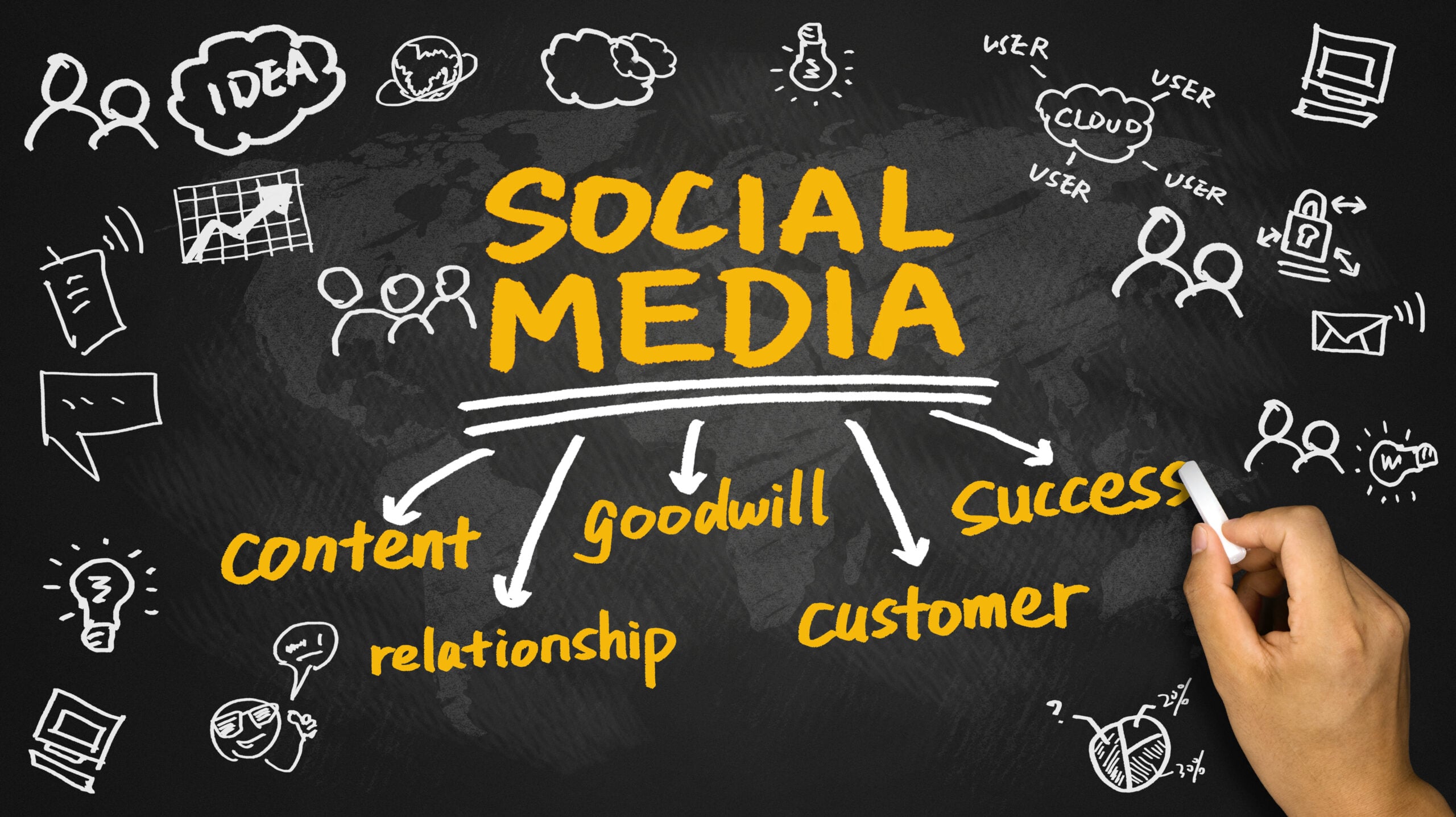



In today’s digital world, social media isn’t optional for businesses — it’s a primary channel for connecting with customers, building brand awareness, and sharing meaningful messages. But simply posting sporadically on social platforms doesn’t equate to an effective presence. That’s where social media management comes in.
 What Is Social Media Management?
Social media management refers to the process of creating, publishing, monitoring, and optimizing content across social media networks such as Facebook, Instagram, LinkedIn, X (formerly Twitter), TikTok, and Pinterest. It also involves understanding how audiences interact with your content and making informed adjustments to improve performance over time. At its core, social media management is about more than posting — it’s about strategically using social platforms to build relationships, communicate value, and support organizational goals.
Why Social Media Management Matters
1. It Builds Brand Visibility
Millions of people use social platforms every day. Even if you’re a small business, your potential customers likely spend time on at least one social network. Social media management helps ensure your brand is seen and recognized where your audience is already active.
Consistency in profile presentation, messaging, and posting frequency helps strengthen brand identity and makes your business easier to find.
2. It Supports Audience Engagement
Unlike traditional advertising, social media allows for two-way communication. When done well, social media management encourages meaningful interactions such as:
- Comments and conversations
- Direct messages
- Community building
- User-generated content
Engaging with customers directly through social platforms helps humanize your brand, build trust, and develop stronger customer relationships.
3. It Provides Insight Into Your Audience
Most social platforms include built-in analytics tools that show how users interact with your posts. Social media management means leveraging these insights to learn what content resonates, what doesn’t, and how your audience behaves. Over time, you can use this information to shape better content and make smarter decisions.
What Social Media Management Entails
Effective social media management includes the following core activities:
- Content Planning and Strategy
A successful social media presence starts with a strategy. This involves: Setting goals (e.g., increasing followers, driving website traffic) - Identifying target audiences and their interests
- Choosing the right platforms
Establishing a content calendar
A content calendar helps you stay organized and ensures your posts align with business priorities, seasonal events, and audience expectations.
Content Creation and Publishing
Once the strategy is in place, the next step is producing content that aligns with your goals. This material might include:
- Images and graphics
- Short videos and Reels
- Informational posts (tips, insights, industry news)
- Promotional posts (product highlights, offers)
- Stories and interactive content (polls, Q&A)
Publishing consistently is key. Social media management ensures posts are published on time and tailored to each platform’s format and user behavior.
Community Management Social media isn’t a one-way broadcast. Community management refers to engaging with your audience, including:
- Responding to comments and questions
- Monitoring mentions and tags
- Addressing concerns or feedback
- Encouraging conversation and connection
This active engagement supports brand loyalty and shows your audience that you’re listening.
Monitoring and Analytics
Tracking performance allows you to understand what’s working and what isn’t. Common metrics include:
Engagement rate (likes, comments, shares)
- Reach and impressions
- Follower growth
- Click-through rate
Website traffic from social links
By regularly reviewing analytics, you can refine your approach and prioritize the content that performs best.
Optimization and Adjustment
Social media trends and user behavior change over time. Effective management means being flexible and willing to adjust strategies based on data and evolving audience preferences.
Choosing the Right Platforms
Not every platform will be right for your business — and that’s okay. Different social networks serve different audiences and purposes.
Here’s a brief overview:
Facebook: Diverse audience, strong for community building and ads
- Instagram: Visual content, popular with younger demographics
- LinkedIn: Professional networking and B2B engagement
- TikTok: Short-form, trend-driven video content
- X (Twitter): Real-time updates and conversational engagement
- Pinterest: Discovery platform for visual inspiration
Selecting the right platforms depends on who your audience is and where they spend time.
Best Practices for Social Media Management
While every business’s approach will vary, some universal best practices include:
1. Be Consistent
Consistency matters more than perfection. Whether you post daily, a few times a week, or weekly — maintain a regular cadence so your audience knows what to expect.
2. Be Authentic
Authenticity fosters trust. People respond better to genuine communication than to overtly sales-focused messages. Sharing insights into your brand’s personality and values helps create deeper connections.
3. Use Visual Content
Visual content — images, videos, graphics — tends to perform better than text-only posts. Tailor visuals to each platform’s format and users’ expectations.
4. Engage With Your Audience
Responding to comments and messages shows that your brand cares. Engagement signals also influence social algorithms, which can help increase visibility.
5. Track and Learn From Your Data
Social media platforms provide valuable data. Use it to identify patterns, discover what content resonates, and adjust your strategy accordingly.
6. Plan Ahead, But Stay Flexible
A content calendar keeps your posting organized, but be prepared to adapt when trends shift or when your audience’s interests evolve.
 Common Challenges in Social Media Management
Managing a social media presence isn’t always straightforward. Some challenges include:
- Time and Resource Constraints: Producing consistent content and engaging with followers takes time and effort. Many businesses find that dedicating internal resources can be challenging without a clear plan.
- Keeping Up with Platform Changes:Social platforms frequently update their features, algorithms, and best practices. Staying informed and adapting your strategy accordingly is part of effective management — but it can be resource-intensive.
- Measuring True Impact: While metrics like likes and shares show engagement, quantifying business outcomes (such as revenue influence or customer loyalty) requires more nuanced analysis and tracking systems.
- Social Media Tools That Help: A variety of tools can support social media management tasks:
- Scheduling tools: Help plan and publish posts automatically
- Graphic design platforms: Make creating visually appealing content easier
- Analytics dashboards: Aggregate performance metrics in one place
- Listening tools: Track brand mentions and industry conversations
Using tools effectively can streamline workflow and reduce manual effort.
The Information You Need: Social Media Management
If you’re in need of information on how to boost productivity, generate leads, remote work tips, and more, visit our website.
Common FAQs About Social Media Management
- What is social media management?
Social media management is the process of planning, creating, publishing, monitoring, and optimizing content across social media platforms, along with engaging with audiences and reviewing performance to improve over time. - Why is social media management important for businesses?
It helps businesses maintain a consistent presence, communicate clearly with their audience, and build stronger connections through regular content and engagement. - Which social media platforms should a business use?
The best platforms depend on your audience, industry, and content style. Many businesses get better results by focusing on the platforms where their customers are most active rather than trying to be everywhere. - How often should a business post on social media?
There’s no universal schedule that fits every business. Consistency is usually more important than volume, so a sustainable posting rhythm tends to work better than posting frequently and then stopping. - What types of content are included in social media management?
Common content types include images, short videos, educational posts, announcements, behind-the-scenes content, promotions, and interactive formats like polls or Q&A. - Does social media management include responding to comments and messages?
Yes. Community engagement—replying to comments, messages, and mentions—is a key part of managing social media and supporting audience trust. - How do you measure social media performance?
Performance is often measured using metrics such as engagement, reach, impressions, follower growth, and link clicks, depending on the goals and the platform. - Can social media management help with brand awareness?
It can support brand awareness by keeping your brand visible and recognizable through consistent messaging, visuals, and regular posting. - Is social media management only about posting content?
No. It also includes strategy, content planning, design, scheduling, audience engagement, monitoring, and making improvements based on performance data. - How long does it take to see results from social media management?
Timing varies depending on goals, audience, industry, and consistency. Social media management is typically a long-term effort that improves through testing, learning, and refinement.